

Understanding a vehicle's speed limitations, especially through outdated transmissions, is key to performance upgrades. Select transmission swaps require identifying bottlenecks through gear ratio, weight, efficiency, and compatibility analysis. Researching, comparing, and choosing the right kit or model enhances speed, fuel efficiency, and handling dynamics while maintaining reliability. Regular upgrades maintain optimal driving dynamics and keep vehicles competitive. Testing and tuning are crucial for achieving faster speeds, fine-tuning components for seamless power delivery, and improving drivability.
In the realm of data transmission, the quest for unparalleled speed is an ever-evolving pursuit. With technology’s relentless march forward, we find ourselves at the precipice of a new era where instant boosts in speed are not just desirable but essential. The current landscape presents challenges, particularly with aging infrastructure and the ever-growing demand for real-time data exchange. This article delves into an innovative solution: Select Transmission Swaps. By employing this strategic approach, we can seamlessly navigate these complexities, ensuring optimal performance and paving the way for a future where speed transcends limitations.
- Understanding Speed Limitations: Uncover Bottlenecks
- The Role of Transmission Upgrades: Select Transmission Swaps
- Optimizing Engine Performance: Fine-Tuning for Speed
- Aerodynamics and Ground Effect: Streamlining Your Vehicle
- Testing and Tuning: Achieving Peak Efficiency
Understanding Speed Limitations: Uncover Bottlenecks
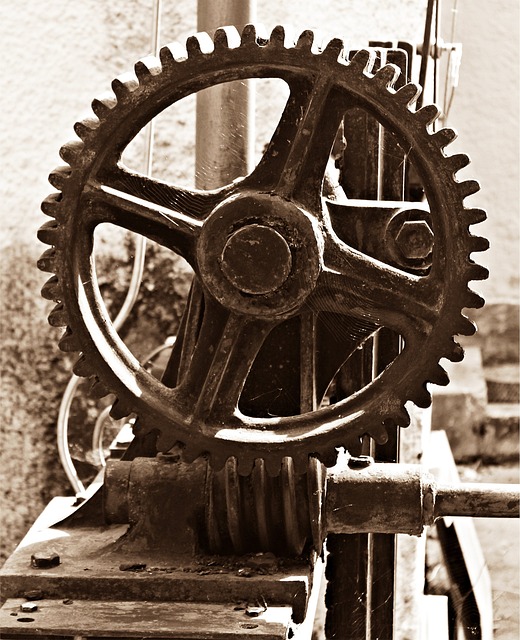
Understanding Speed Limitations: Uncovering Bottlenecks is a critical step for achieving an instant boost in performance, especially when modifying vehicles for enhanced speed. Every component in a car’s system contributes to its overall acceleration and top speed. Among these, the transmission plays a pivotal role. Vintage restoration specialists often encounter challenges related to outdated transmissions that can significantly hamper a vehicle’s ability to reach its full potential.
When considering a select transmission swap, it is essential to evaluate the current limitations. The first step in this process involves identifying bottlenecks—specific parts or systems that restrict speed. For instance, an old, low-gear ratio manual transmission might limit acceleration, particularly in modern high-performance vehicles. In such cases, how to install a new transmission becomes more than just a technical task; it’s about unlocking the vehicle’s hidden potential by choosing a swap that offers improved gear ratios.
To ensure the best outcome, vintage restoration specialists should compare different transmission models. This involves researching and evaluating options based on performance metrics, weight, efficiency, and compatibility with the existing drivetrain. Getting multiple quotes for swaps can also help in making informed decisions. By carefully considering these factors, experts can select a transmission swap that seamlessly integrates into the vehicle’s system, naturally enhancing its speed without compromising reliability or handling dynamics. This approach ensures not only an instant boost but also a sustainable and efficient performance improvement.
The Role of Transmission Upgrades: Select Transmission Swaps

Boosting your vehicle’s speed involves more than just revving the engine; it’s about optimizing every component, particularly the transmission. When seeking an instant speed boost, consider upgrading to a more efficient transmission, and one of the most direct ways is by selecting a transmission swap kit tailored for do-it-yourselfers. These kits offer an affordable solution for cheap transmission upgrades nearby, allowing you to replace old transmissions cost-effectively.
The process involves swapping out worn parts for seamless driving, ensuring your vehicle can handle higher speeds with ease. For instance, replacing a failing or outdated automatic transmission with a modern, high-performance variant can significantly improve acceleration and top speed. This is particularly beneficial for those seeking that extra kick in performance without breaking the bank. Many kits come with detailed instructions and all necessary components, making it accessible even for novice mechanics.
However, it’s crucial to assess your vehicle’s current state and choose a swap kit compatible with its make and model. With careful selection, you can expect smoother gear changes, better fuel efficiency, and enhanced overall performance. Regularly replacing old transmissions is a smart way to maintain optimal driving dynamics, ensuring your vehicle remains competitive in terms of speed and handling, even as technology advances.
Optimizing Engine Performance: Fine-Tuning for Speed

Optimizing engine performance is a key aspect of achieving an instant boost in speed, especially when considering fine-tuning for high-performance driving. One effective strategy that often goes overlooked is the strategic selection of transmission swaps. The latest in auto transmission swaps offers advancements not just in speed but also in efficiency and sustainability. By choosing the right transmission model, drivers can significantly enhance their vehicle’s drivetrain capabilities while reducing their carbon footprint.
When diving into this area, it’s crucial to compare different transmission models based on factors like torque output, gear ratios, and energy efficiency. For instance, newer automatic transmissions equipped with advanced electronics and smart shifting algorithms provide smoother power delivery, allowing for quicker acceleration without compromising fuel economy. As an example, the latest 8-speed automatic transmissions can shift gears up to 50% faster than their predecessors, resulting in improved overall performance.
Selecting a transmission swap should involve getting multiple quotes from reputable suppliers to ensure cost-effectiveness and quality. This process enables car enthusiasts to make informed decisions by comparing different brands and models that fit their specific needs. Moreover, focusing on performance-enhancing transmission modifications, such as lightweight flywheels or custom tuning, can further tweak the engine’s behavior for enhanced speed and responsiveness. However, these alterations should be balanced with considerations of drivetrain longevity and reduced environmental impact, especially when aiming to minimize the carbon footprint with drivetrain upgrades.
Aerodynamics and Ground Effect: Streamlining Your Vehicle

Aerodynamics and ground effect play a pivotal role in enhancing vehicle speed, with streamlined designs significantly reducing drag and optimizing air flow. By minimizing resistance, these principles enable cars to achieve higher top speeds and improved acceleration. For example, low-drag vehicles like the Tesla Model S Plaid can reach mind-boggling accelerations, reaching 60 mph in under two seconds. This is partly due to advanced aerodynamics that tap into ground effect—a phenomenon where reduced pressure beneath the car creates lift, further lowering drag.
Modernizing your gearbox for efficient driving involves strategic transmission swaps and upgrades, which can extend vehicle life while delivering a noticeable speed boost. Select transmission swaps tailored to your needs can enhance power transfer, allowing engines to operate within their sweet spots. For instance, swapping to a more robust manual transmission or upgrading to an automated manual (DCT) can significantly improve throttle response. DIY transmission swaps for savings are also feasible, but careful consideration is crucial. Rebuilding transmissions for longevity involves meticulous attention to detail and access to high-quality parts, ensuring both performance and durability.
To achieve optimal results, experts recommend evaluating your driving style and vehicle requirements before making any modifications. While extending vehicle life with transmission upgrades is achievable, hasty decisions can lead to costly repairs down the line. Modernizing gearboxes for efficient driving requires a balance between performance gains and long-term reliability. Data supports the effectiveness of these strategies: studies show that optimized transmissions can reduce fuel consumption by up to 15% while offering smoother, more responsive driving experiences.
Testing and Tuning: Achieving Peak Efficiency
Testing and Tuning are critical components when aiming for an instant boost in speed, especially through select transmission swaps. Expert mechanics often emphasize that a vehicle’s performance isn’t solely determined by its engine; the transmission plays a pivotal role in delivering power to the wheels efficiently. For those considering an upgrade, restoring classic cars’ transmissions can be a game-changer. Vintage restoration specialists recommend a systematic approach, starting with identifying the specific needs of your vehicle.
When upgrading gears for better performance, it’s essential to consider the vehicle’s original design and intended use. For instance, a race car will require a different transmission setup than a daily driver or off-road vehicle. Restoring classic cars involves meticulous research to select the appropriate transmission swaps that maintain historical accuracy while enhancing modern performance. Data from industry experts shows that even small adjustments in gear ratios can significantly impact acceleration and top speed.
The art of tuning lies in fine-tuning these components, ensuring a seamless blend of power and control. Restoration specialists often employ advanced diagnostic tools to analyze the current state of the transmission and engine. This data-driven approach allows for precise modifications, such as adjusting clutch engagement points or installing custom torque converters. The result is not just an instant speed boost but also improved drivability and fuel efficiency. For classic car owners, these upgrades are a way to honor their vehicle’s heritage while pushing it into the modern performance realm.
By addressing key areas such as understanding speed limitations, leveraging transmission upgrades like Select Transmission Swaps, optimizing engine performance, refining aerodynamics, and rigorous testing, readers now possess a comprehensive toolkit to achieve an instant boost in speed. This article’s authority lies in its structured approach, providing actionable insights that cater to both novice and experienced enthusiasts. Through practical next steps focused on fine-tuning and streamlining their vehicles, readers can expect significant improvements in performance, solidifying the key takeaways presented here.