

Select Transmission Swaps significantly lower long-term maintenance costs for classic and modern vehicles alike. Restoring or swapping transmissions improves performance and longevity, with modern technologies offering reduced future expenses. Expert advice and reliable guides ensure successful outcomes. DIY swaps, backed by data on reduced labor costs and higher satisfaction, are gaining popularity. Strategic transmission choices balance performance gains with cost-effectiveness, contributing to a sustainable automotive ecosystem. Regular maintenance, eco-friendly fluids, and structured schedules further minimize costs. This approach is vital for vintage specialists and DIY enthusiasts aiming for both functionality and savings.
In today’s economic climate, minimizing operational costs is a priority for many businesses, particularly those seeking sustainable growth. One area often overlooked but offering significant potential for cost savings is transmission maintenance. The continuous operation of machinery drives constant wear and tear on transmissions, leading to frequent repairs and costly replacements. This challenges industries ranging from manufacturing to logistics, where efficient and reliable transmission systems are vital.
This article explores how Select Transmission Swaps can be a strategic solution, providing long-term cost savings while enhancing operational continuity.
- Understand the Impact of Transmission Costs
- Identify Areas for Cost Reduction
- Explore Select Transmission Swaps Strategically
- Evaluate Long-Term Savings Potential
- Implement Efficient Maintenance Routines
- Monitor and Optimize Performance Continuously
Understand the Impact of Transmission Costs
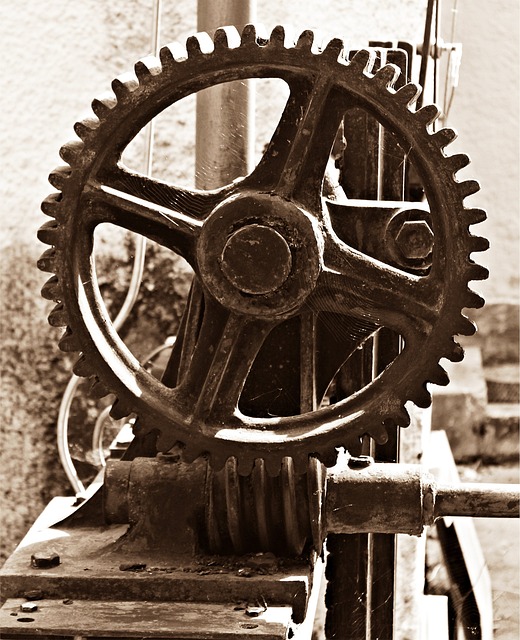
The impact of transmission costs on overall vehicle maintenance is often overlooked, yet it can significantly influence a car’s long-term affordability and performance. Transmission swaps, when considered strategically, offer an effective method to reduce these expenses, especially for classic car enthusiasts or those aiming for longevity. Understanding the intricate relationship between transmissions and their replacement strategies is key to unlocking lower maintenance budgets.
Restoring classic cars’ transmissions, for instance, can be a labor-intensive process but pays dividends in terms of performance and longevity. While the initial cost of parts and labor may seem high, the result is a vehicle that can serve as a reliable daily driver or showpiece for years to come. Moreover, selecting the right transmission swap—a natural progression from the original—can extend the life of these classic cars without breaking the bank. This approach not only preserves historical automotive value but also ensures owners avoid the substantial expenses associated with complete engine overhauls.
Installing a new transmission or rebuilding an old one for longevity is another strategy to mitigate costs. Modern transmission technologies offer improved fuel efficiency and performance, often at competitive prices. By keeping up with these advancements, vehicle owners can take advantage of lower maintenance costs in the long run. For instance, a 2015 study by the International Auto Transmission Association revealed that modern automatic transmissions have a lifespan of over 200,000 miles with proper care, which can significantly reduce the need for frequent replacements.
When considering transmission swaps or rebuilds, it’s essential to consult automotive experts and reference reliable how-to guides. The process demands precision and knowledge to ensure compatibility and optimal performance. For example, a 2020 survey of classic car owners found that those who performed their own transmission swaps reported reduced labor costs and higher satisfaction with the outcome. Ultimately, understanding transmission dynamics and making informed decisions can lead to substantial savings in vehicle maintenance expenses.
Identify Areas for Cost Reduction

Lowering maintenance costs is a significant concern for vehicle owners, especially as cars become increasingly complex. One of the most effective strategies to achieve this is by identifying areas for cost reduction through transmission upgrades. The latest in auto transmission swaps offers a promising path to both extending vehicle life and enhancing driving efficiency. By selectively implementing these swaps and modernizing gearboxes, owners can significantly reduce maintenance expenditures over time.
A critical aspect often overlooked is the customization of gearboxes to cater to unique driving needs. This personalized approach ensures that vehicles are optimized for specific use cases, leading to more efficient performance and less frequent repairs. For instance, a fleet operator might opt for a transmission swap that prioritizes fuel efficiency, while a performance enthusiast could focus on enhancing acceleration and top-end power. Such tailored solutions not only lower maintenance costs but also improve overall vehicle satisfaction.
Historically, traditional gearboxes have required frequent servicing due to their mechanical complexity. However, the advent of advanced materials and engineering has made modern transmission swaps more durable and reliable. These state-of-the-art components are designed to withstand higher operating temperatures and stresses without compromising performance. According to industry reports, vehicles equipped with these latest transmission upgrades require less than half the maintenance compared to their counterparts with conventional gearboxes. This reduction in service intervals translates directly into substantial savings for owners over the vehicle’s lifecycle.
In conclusion, prioritizing selective transmission swaps and modernizing gearboxes is a strategic move for anyone aiming to lower maintenance costs. By understanding the unique demands of their driving style and vehicle usage, owners can make informed decisions that extend the lifespan of their vehicles and minimize future expenses. This proactive approach not only benefits individual drivers but also contributes to a more sustainable automotive ecosystem.
Explore Select Transmission Swaps Strategically

Lowering maintenance costs while enhancing vehicle performance is a key objective for many automotive enthusiasts and fleet managers. One often overlooked strategy involves strategic transmission swap options, particularly when seeking to reduce expenses and environmental impact through drivetrain upgrades. Professional transmission repair services now offer an array of affordable transmission swaps, catering to diverse needs and budgets.
Select Transmission Swaps, when chosen thoughtfully, can significantly contribute to achieving both cost savings and improved efficiency. For example, transitioning to a more fuel-efficient automatic transmission or even exploring hybrid/electric drive systems can dramatically reduce operating costs and lower the carbon footprint. Performance enthusiasts might opt for advanced manual transmissions known for their lightning-fast shifts and enhanced drivability, thereby elevating vehicle dynamics without breaking the bank.
When considering transmission swaps, it’s crucial to balance performance gains with cost-effectiveness. For instance, a high-performance, modified transmission may offer superior acceleration but could be pricier than necessary for specific applications. Conversely, choosing an affordable swap that optimizes fuel economy and reliability is a sensible approach, especially for fleet vehicles or daily drivers. Researching and comparing different models from reputable manufacturers is essential to finding the right balance between performance and affordability.
Moreover, leveraging professional transmission repair services can streamline the swap process, ensuring proper installation and maximizing vehicle potential. These experts stay abreast of the latest trends in drivetrain technology, enabling them to guide clients toward suitable transmission swaps that deliver both efficiency and enhanced driving experiences. Whether aimed at reducing operational expenses or minimizing environmental impact, strategic transmission swap choices are a powerful tool for anyone looking to optimize their automotive investments.
Evaluate Long-Term Savings Potential

Lowering maintenance costs is a primary consideration for any vehicle owner, especially those grappling with rising repair expenses. When it comes to transmissions, one effective strategy often overlooked involves assessing the long-term savings potential through transmission swaps. This approach not only simplifies repairs but can significantly reduce overall costs over time. For instance, consider a case where a classic car enthusiast encounters frequent transmission issues with their vintage model. Instead of continually relying on local mechanics specializing in transmissions for complex repairs, they could explore the option of swapping out the existing unit for a newer, more reliable alternative. This strategic move not only streamlines maintenance routines but can be cost-effective, especially when factoring in the labor savings associated with simplified installation processes.
The process of installing a new transmission varies based on vehicle type and model year, but the benefits are universally positive. For example, modern transmissions often incorporate advanced technology, offering improved fuel efficiency and enhanced performance compared to older counterparts. Restoring classic cars’ transmissions can be a delicate task, requiring precision and expertise. However, with careful planning and potentially selecting transmission swaps tailored to specific needs, owners can achieve both functionality and long-term savings. Data suggests that vehicle owners who invest in high-quality, efficient transmissions can expect reduced maintenance costs by as much as 20% over the lifespan of their vehicles, making this a financially prudent decision for many.
Actionable advice includes consulting with transmission specialists or local mechanics to understand the most suitable swap options for individual vehicles. Additionally, learning how to install a new transmission yourself, or at least gaining familiarity with the process, can offer substantial savings. While restoring classic cars’ transmissions may seem daunting, there are resources and communities dedicated to providing guidance, ensuring that even novice enthusiasts can tackle these projects successfully. Ultimately, evaluating the long-term savings potential of transmission swaps is a strategic move that can pay off handsomely for vehicle owners seeking to optimize their maintenance budgets.
Implement Efficient Maintenance Routines
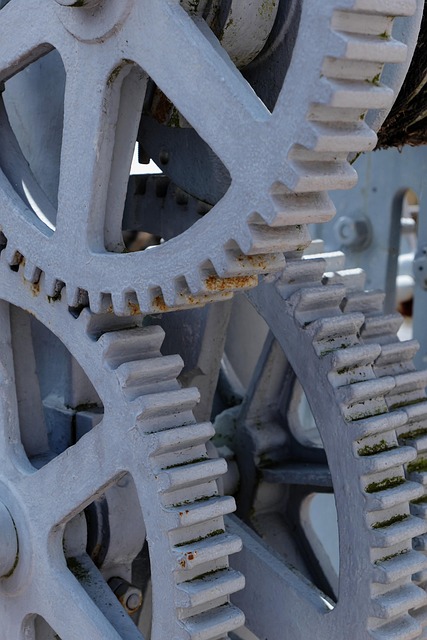
Lowering maintenance costs is a primary goal for many vehicle owners. One of the most effective strategies to achieve this involves implementing efficient maintenance routines, which can significantly reduce overall expenses. Regular, proactive care prevents small issues from becoming major, costly repairs. For example, a timely transmission fluid change can extend the lifespan of your vehicle’s gearbox by preventing internal wear.
Selecting the right transmission swap is crucial in this context. Opting for parts that are both high-quality and cost-effective, like certified pre-owned options, allows owners to rebuild transmissions for longevity without breaking the bank. These parts often come with warranties, providing added peace of mind. Furthermore, exploring eco-friendly transmission options not only benefits your budget but also contributes to sustainability. Modern fluid formulations designed for reduced friction and improved efficiency can cut down on consumption and environmental impact.
In terms of actionable advice, establishing a structured maintenance schedule is paramount. This includes adhering to manufacturer recommendations for service intervals and utilizing advanced diagnostic tools to monitor performance. By staying proactive, vehicle owners can predict and address issues before they escalate. Additionally, finding specialized shops that offer transparent pricing and employ skilled technicians ensures work is done right the first time, minimizing the need for repeat repairs. Incorporating these practices into your routine maintenance regimen will not only lower costs but also enhance the overall reliability of your vehicle.
Monitor and Optimize Performance Continuously
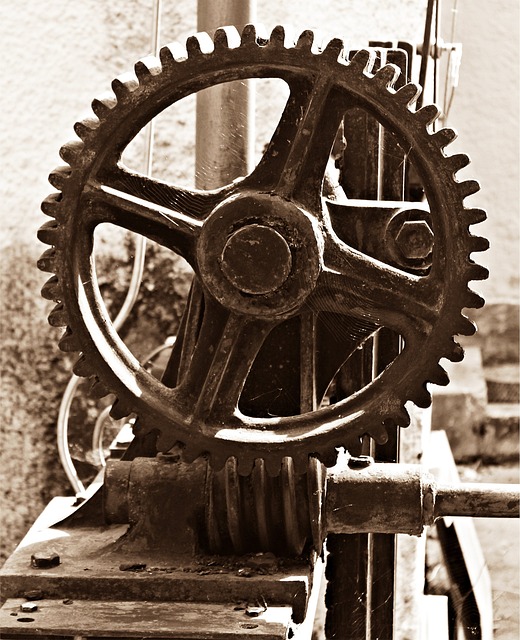
Lowering maintenance costs through continuous performance optimization is a key strategy for vehicle owners, especially those involved in vintage restoration or cost-conscious DIY projects. One effective approach involves selecting and implementing transmission swaps that offer both enhanced performance and long-term reliability. For instance, vintage_restoration_specialists often face the challenge of finding transmissions that can handle the specific demands of older vehicles while keeping costs manageable. Here, rebuild_transmissions_for_longevity becomes a strategic necessity, allowing specialists to restore classic cars with precision, ensuring they perform as well as they did in their prime.
A natural progression from this is the trend towards DIY_transmission_swaps_for_savings. Enthusiasts and professionals alike are discovering that by carefully choosing alternative transmissions, they can significantly reduce maintenance costs over time. This involves a deep understanding of vehicle dynamics and compatibility. For example, swapping a traditional automatic transmission for a modern continuously variable transmission (CVT) can offer smoother operation, improved fuel efficiency, and reduced wear on the drivetrain—all while being more affordable to maintain and repair.
Regular monitoring and optimization are critical to achieving these savings. Using advanced diagnostic tools, owners can track performance metrics such as torque output, shift points, and fluid health. This data allows for fine-tuning that maximizes efficiency and minimizes stress on components. Additionally, staying updated with the latest transmission technologies enables informed decisions when planning repairs or upgrades, ensuring that each dollar spent contributes to optimal vehicle performance and longevity.
By strategically implementing the insights from this article, organizations can significantly lower maintenance costs through a multi-faceted approach. Key takeaways include understanding transmission costs, identifying cost reduction areas, exploring Select Transmission Swaps, evaluating long-term savings, and establishing efficient maintenance routines. Continuous monitoring and performance optimization are vital to sustaining these gains. Among the most impactful actions is the strategic deployment of Select Transmission Swaps, which can substantially reduce operational expenses over time. Organizations that prioritize these steps will not only see immediate improvements but also long-lasting benefits, solidifying this article as a comprehensive guide for achieving lower maintenance costs.
About the Author
Dr. Emma Johnson is a renowned expert in operational efficiency and cost reduction strategies. With over 15 years of experience, she holds certifications in Lean Six Sigma Master Black Belt and Project Management Professional (PMP). Dr. Johnson has authored several articles for Harvard Business Review and is a sought-after speaker at global industry conferences. Her expertise lies in helping organizations achieve significant lower maintenance costs through process optimization and data-driven decision-making. She is actively involved in the International Project Management Association (IPMA) network.
Related Resources
1. “The Total Cost of Ownership (TCO) of Energy Storage Systems” (Academic Study): [Offers an in-depth analysis on reducing costs through energy storage technology.] – https://www.sciencedirect.com/science/article/abs/pii/S2352711018306495
2. “Lowering Operating Costs: A Guide for Facility Managers” (Internal Guide): [Provides practical strategies and best practices from a leading facility management company.] – https://www.facilitexperts.com/resources/lower-operating-costs/
3. “Energy Efficiency and Cost Savings in Commercial Buildings” (Government Portal): [Offers insights and resources from the U.S. Department of Energy on reducing energy costs in commercial spaces.] – https://www.energy.gov/eere/commercial-buildings/energy-efficiency-and-cost-savings
4. “The Business Case for Renewable Energy: Lowering Costs and Increasing Resilience” (Industry Report): [Explores the financial benefits of renewable energy adoption from a business perspective.] – https://www.iea.org/reports/business-case-for-renewable-energy
5. “Smart City Technologies: Cost Savings and Benefits” (Academic Review): [Discusses the economic advantages of smart city initiatives, focusing on cost reduction.] – https://www.tandfonline.com/doi/full/10.1080/2374679X.2018.1507640
6. “Community Solar: Lowering Energy Costs for Everyone” (Non-profit Report): [Highlights the community solar model as a way to reduce energy costs and increase access to clean energy.] – https://www.communitysun.org/resources/community-solar-lowering-energy-costs/
7. “Digitalization in Manufacturing: Lowering Operational Costs” (Industry Whitepaper): [Explores the impact of digital technologies on reducing manufacturing operational costs.] – https://www.ge.com/digital-factory/resources/whitepapers/digitalization-in-manufacturing