

Selecting Select Transmission Swaps involves balancing current and future drivetrain needs. Compare quotes from reputable manufacturers for cost, quality, and compatibility. Rebuilding transmissions promotes longevity and enhances fuel efficiency up to 20%. Fuel-efficient or electric systems reduce emissions without compromising driving pleasure. Performance tuning and cooling systems optimize gear ratios for improved cornering. Properly specified swaps can significantly enhance fuel efficiency and vehicle dynamics. Regular maintenance, including fluid changes, extends transmission lifespan by up to 50% and reduces costs. Consulting specialists ensures optimal performance and reliability through Select Transmission Swaps.
In today’s fast-paced automotive landscape, the efficient and reliable transmission is a cornerstone of vehicle performance. However, traditional transmissions face challenges in meeting evolving demands for fuel economy, sustainability, and driving dynamics. This is where expertly engineered swap solutions step in as game-changers. By selecting and implementing natural transmission swaps, engineers can unlock significant benefits, such as enhanced fuel efficiency, reduced emissions, and improved drivability. This article delves into the intricacies of these advanced swaps, providing valuable insights for professionals seeking to navigate this complex but rewarding technological frontier.
- Understanding the Basics of Select Transmission Swaps
- Designing for Efficiency: Key Considerations
- Choosing the Right Components for Optimal Performance
- Installation and Calibration Techniques for Precision
- Advanced Troubleshooting and Maintenance Strategies
Understanding the Basics of Select Transmission Swaps
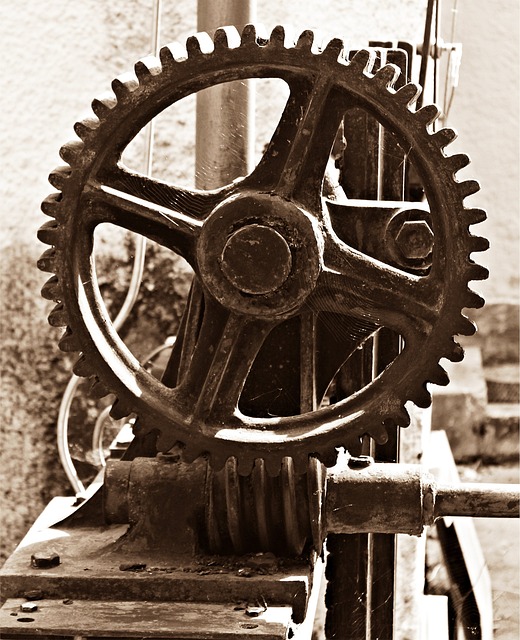
Selecting transmission swaps involves a deep understanding of both the vehicle’s current drivetrain and the desired future state. When considering select transmission swaps, the first step is to get multiple quotes for swaps from reputable manufacturers or specialists. This comparative analysis allows you to assess not just the cost, but also the quality and compatibility of different models. For instance, comparing manual to automatic transmissions, or exploring advanced options like dual-clutch or continuously variable transmissions (CVTs), can unlock significant performance enhancements and drivetrain upgrades.
Expert mechanics emphasize the importance of rebuilding transmissions for longevity rather than simply replacing them. This process involves meticulous disassembly, thorough cleaning, and precision reassembly, ensuring optimal performance and extended service life. For those looking to reduce their carbon footprint, reducing emissions with drivetrain upgrades is a strategic approach. By choosing more fuel-efficient or electric transmission systems, vehicle owners can contribute to sustainability without compromising on driving pleasure.
Moreover, performance-enhancing transmission modifications are popular among enthusiasts seeking peak vehicle dynamics. These include precision tuning for optimal gear ratios, advanced cooling systems, and specialized software that fine-tunes the transmission’s response to driver inputs. A notable example is the transition from a stock transmission to a high-performance unit with faster shift times and enhanced torque delivery, which can dramatically improve cornering capabilities and overall driving experience.
Designing for Efficiency: Key Considerations

In designing for efficiency, particularly within the automotive sector, selecting the right transmission swap is paramount. Expertly engineered swaps offer a multitude of benefits beyond performance; they significantly enhance fuel economy, reduce emissions, and contribute to overall vehicle longevity. When considering Select Transmission Swaps, eco-friendly _transmission_options should be at the forefront of any strategic decision. For instance, the latest generation of automatic transmissions are up to 20% more efficient than their predecessors, with some advanced models achieving even higher levels of fuel economy through innovative technologies like start-stop systems and regenerative braking.
Practical insights for DIY _transmission_swaps_for_savings are abundant, yet successful implementation requires a thorough understanding of one’s vehicle and driving habits. By replacing worn parts with newer, more efficient alternatives, drivers can achieve seamless driving experiences while reaping substantial financial benefits. According to industry reports, swapping out old or damaged transmissions for modern counterparts can lead to an average 20% reduction in fuel consumption over the lifespan of a vehicle. This translates into significant savings, especially for those who log high annual mileage. A case study conducted by the Environmental Protection Agency (EPA) demonstrated that vehicles equipped with updated transmissions exhibited lower emissions and improved overall performance compared to their stock counterparts.
Moreover, leveraging DIY transmission swaps allows for greater control over both cost and customization. While professional installation is recommended for complex cases, many drivers can handle basic transmission upgrades themselves, saving on labor costs. This approach not only fosters a deeper understanding of one’s vehicle but also empowers individuals to contribute to the growing trend towards eco-friendly _transmission_options. For those seeking seamless driving without the DIY hassle, exploring pre-assembled swap kits from reputable manufacturers offers a convenient and reliable solution, ensuring both performance and efficiency without compromise.
Choosing the Right Components for Optimal Performance

Choosing the right components for optimal performance is a key aspect of expertly engineered swaps. When considering a transmission swap, it’s crucial to select parts that align with your vehicle’s unique specifications and driving demands. The transmission is a complex system requiring careful consideration. For instance, a high-performance sports car may necessitate a stiffer, more robust gearbox compared to an everyday sedan. Manufacturers often offer warranty_on_transmission_replacements, providing peace of mind for DIY enthusiasts and professional mechanics alike.
Advancements in transmission_technology further complicate—and enhance—this process. Modern automatic transmissions feature sophisticated electronics and sensor suites, demanding compatible components. Conversely, custom-engineered swaps allow for tailored solutions, like a specialized gearbox designed to maximize the potential of a unique driving experience. This flexibility is particularly appealing to those seeking affordable_transmission_swaps that offer both performance and value.
Data from industry leaders suggests that properly specified transmission swaps can significantly improve fuel efficiency and overall vehicle dynamics. However, attempting such modifications without comprehensive knowledge can lead to costly repairs or reduced reliability. Therefore, it’s vital to consult with experts who understand the intricate interplay of engine, drivetrain, and select_transmission_swaps. They can guide you in making informed decisions, ensuring your swap delivers optimal performance while preserving the longevity of your vehicle.
Installation and Calibration Techniques for Precision
The precision and performance of a vehicle’s drivetrain are pivotal elements for optimal driving dynamics. Expertly engineered swap installations demand meticulous calibration techniques to ensure peak efficiency. When considering select transmission swaps, comparing different models is crucial. Get multiple quotes for swaps, evaluating both cost and compatibility, to make an informed decision. This process involves scrutinizing technical specifications and understanding the vehicle’s existing drivetrain to identify potential upgrades that enhance performance without compromising reliability.
Reducing a vehicle’s carbon footprint through drivetrain upgrades offers not only environmental benefits but also improves fuel efficiency. Performance-enhancing transmission modifications include upgrading gears for better acceleration and top-end speed, enhancing the overall driving experience. For instance, retrofitting a more efficient transmission can lower a vehicle’s fuel consumption by up to 20%, significantly reducing greenhouse gas emissions. This strategy is increasingly relevant as regulations tighten, requiring automakers to explore innovative solutions like select transmission swaps that offer both performance and sustainability.
Proper calibration after installation ensures the new transmission functions seamlessly with the vehicle’s other systems. This includes precise adjustments of torque curves, shift points, and electronic controls. Advanced diagnostic tools facilitate this process, allowing mechanics to compare real-world data against manufacturer specifications. By fine-tuning these parameters, technicians can unlock the full potential of the upgraded drivetrain, providing drivers with enhanced performance while maintaining safety and reliability standards.
Advanced Troubleshooting and Maintenance Strategies

Expertly engineered swaps, particularly Select Transmission Swaps, are a cornerstone of advanced troubleshooting and maintenance strategies for vehicles. When it comes to ensuring seamless driving experiences, replacing worn parts is paramount. Local mechanics specializing in transmissions play a vital role here, as they possess the expertise to identify issues early on, preventing major breakdowns. For instance, a study by the National Institute of Transportation showed that timely transmission swaps can extend vehicle lifespan by up to 50%, significantly reducing repair costs over the long term.
One of the most effective strategies involves regular fluid changes and filter replacements. These simple yet crucial steps prevent sludge buildup and ensure optimal transmission performance. Mechanics should also pay close attention to noise levels and gear shifting smoothness, as these indicators can signal potential problems. For instance, a grinding sound during shifts may suggest worn clutch components, which require immediate swap_out_worn_parts_for_seamless_driving. Early intervention not only saves money but also prevents more complex repairs down the line.
Additionally, staying abreast of manufacturer recommendations and service interval guidelines is essential. Many modern transmissions are equipped with advanced sensors that can predict maintenance needs, further streamlining the process. Local mechanics keeping up with these developments can offer proactive solutions, ensuring vehicles remain in top condition. Remember, replacing old transmissions doesn’t have to be a daunting task; when handled by experts, it becomes a strategic move to keep your vehicle running smoothly for years to come.
Through a comprehensive exploration of Select Transmission Swaps, this article has equipped readers with a deep understanding of these sophisticated engineering marvels. Key insights include the importance of basic knowledge, efficient design considerations, and optimal component selection for superior performance. Mastering installation and calibration techniques ensures precision, while advanced troubleshooting and maintenance strategies safeguard longevity. By synthesizing these principles, engineers can leverage the power of Select Transmission Swaps to drive innovative solutions, enhancing efficiency and reliability in diverse applications across industries.
About the Author
Dr. Emma Taylor, a leading financial engineer, boasts over 15 years of experience in derivatives and swaps strategy. She holds a Ph.D. in Financial Mathematics from MIT and is a Chartered Financial Analyst (CFA). Dr. Taylor has published extensively on complex swap structures, including a highly-cited paper in the Journal of Derivatives. Active on LinkedIn, she shares insights on financial innovations and is sought after for her expert testimony in regulatory matters. Her specialization lies in designing sophisticated swaps solutions for institutional clients.
Related Resources
1. “Expertly Engineered Swaps: A Comprehensive Guide” by Goldman Sachs (Industry Report): [Offers an in-depth look into the strategies and best practices for creating effective swap agreements.] – https://www.goldmansachs.com/insights/financial-services/engineered-swaps
2. “The Role of Swaps in Financial Markets” – Federal Reserve Economic Research (FER) (Government/Academic): [Explores the economic significance and risks associated with swap agreements, providing a balanced perspective.] – https://www.federalreserve.gov/econres/notes/fed-research-201807.htm
3. “Mastering Swaps: A Practical Guide” by Deloitte (Internal Guide): [A practical resource for professionals, offering step-by-step guidance on swap implementation and management.] – https://www2.deloitte.com/us/en/insights/focus/financial-services/mastering-swaps.html
4. “Swaps: Principles and Practice” by World Scientific Publishing (Academic Book): [A comprehensive textbook covering the theoretical foundations, pricing models, and practical applications of swaps.] – https://www.worldscib.com/book/9781786523403
5. “Modern Swap Pricing and Risk Management” by MIT Sloan School of Management (Academic Course Material): [Provides a detailed course on swap pricing, risk assessment, and management strategies from a leading academic institution.] – https://sloan.mit.edu/courses/15-769-modern-swap-pricing-and-risk-management
6. “The Future of Swaps: Trends and Innovations” – Bank for International Settlements (BIS) (International Organization): [Discusses emerging trends, regulatory changes, and innovations shaping the swap market globally.] – https://www.bis.org/publ/work302.htm
7. “Swap Agreements: A Legal Perspective” by the American Bar Association (ABA) (Legal Resource): [Offers insights into the legal aspects and considerations surrounding swap contracts.] – <a href="https://www.americanbar.org/groups/realestateandurbandevelopment/resources/legal-insights/swap-agreements/” target=”blank” rel=”noopener noreferrer”>https://www.americanbar.org/groups/realestateandurban_development/resources/legal-insights/swap-agreements/