
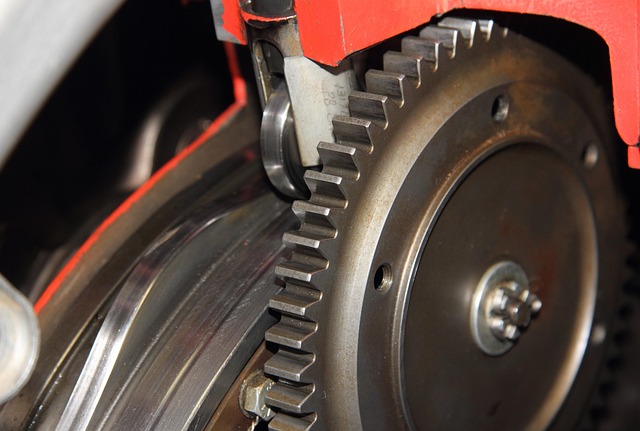
Select Transmission Swaps offer cost-effective and performance-enhancing solutions for vehicle owners. By replacing old transmissions with newer, efficient models, drivers enjoy smoother gear shifts, improved fuel economy, and extended vehicle life. This is particularly beneficial for classic car restoration, preserving historical integrity while offering high-quality results at a lower cost. Using used but reliable components promotes sustainability and accessibility. For classic cars, meticulous attention is required due to age and part scarcity. Brands like BorgWarner, Aisin, JATCO, and TransDirecT offer reliable transmissions, with strategic optimization techniques enhancing performance further. Local mechanics specialize in Select Transmission Swaps kits, transforming older vehicles for improved speed, fuel economy, and drivability.
In today’s fast-paced business landscape, the need for efficient and reliable data transmission has never been more critical. As organizations grapple with increasingly complex data architectures, ensuring seamless information flow becomes a formidable challenge. This is where Select Transmission Swaps emerge as a game-changer, offering a proven solution to impress in even the most demanding environments. By facilitating secure and high-performance data transfer, these swaps enable businesses to navigate the labyrinthine digital landscape with confidence. In this authoritative piece, we delve into the intricacies of Select Transmission Swaps, exploring their role in enhancing data transmission security and performance.
- Understanding Transmission Swaps: Basics and Benefits
- Identifying Vehicles for Select Transmission Upgrades
- Executing Secure and Efficient Swap Procedures
- Maximizing Performance: Post-Swap Optimization Strategies
Understanding Transmission Swaps: Basics and Benefits
Understanding Transmission Swaps offers a powerful solution for vehicle owners facing transmission issues, providing both cost savings and performance enhancements. By facilitating the exchange of an existing transmission with a newer, more efficient model, these swaps allow drivers to experience smoother gear changes, improved fuel economy, and potentially extend the life of their vehicles. This approach is particularly beneficial when dealing with classic cars in need of restoration; restoring a car’s transmission can be a complex process, but using select parts from reliable sources enables enthusiasts to achieve exceptional results without breaking the bank.
The benefits extend beyond performance. Installation of a new transmission, whether it’s a DIY project or handled by a professional mechanic, can significantly reduce costs compared to complete transmission replacements. Buying used parts for these swaps is a cost-effective strategy that also promotes sustainability, as it diverts functional components from landfills and keeps them in circulation. This approach has gained popularity among both professionals and hobbyists fixing transmission issues at home, demonstrating the accessibility and effectiveness of this method.
For instance, consider a classic car owner who wants to restore their vehicle’s transmission but is on a limited budget. By purchasing used but reliable components, they can achieve a high-quality result while minimizing expenses. This strategy not only preserves the car’s historical integrity but also ensures it remains drivable and enjoyable for years to come. In today’s market, there are numerous resources available to guide enthusiasts through the process of how to install a new transmission, including detailed guides and forums where experienced owners share their knowledge and tips. Restoring classic cars’ transmissions is no longer a daunting task; with the right information and select parts, it can be a rewarding endeavor that keeps these automotive gems on the road.
Identifying Vehicles for Select Transmission Upgrades

Identifying vehicles suitable for select transmission upgrades is a strategic approach to enhancing performance and extending the lifespan of your vehicle. When considering DIY transmission swaps or looking to restore classic cars, a thorough understanding of your vehicle’s architecture becomes paramount. For instance, manual transmissions from older models, such as those found in late 20th-century vehicles, often offer robust components that are easily adaptable for modern performance requirements. These legacy systems can be excellent candidates for select upgrades, allowing enthusiasts to fine-tune their driving experience while preserving the vehicle’s historical integrity.
Cost-effective solutions lie in buying used parts for replacements, which not only saves money but also provides access to rare or discontinued components. Fix transmission issues at home by employing this strategy, focusing on identifying compatible parts from similar models or even older iterations of your vehicle’s transmission line. DIY transmission swaps for savings have become a popular movement among automotive enthusiasts, fostering a community that values self-reliance and customization. However, it’s crucial to approach these projects with caution, as incorrect installations can lead to further damage.
Restoring classic cars’ transmissions is another specialized endeavor that demands meticulous attention to detail. These vehicles often present unique challenges due to their age and the scarcity of replacement parts. In such cases, selecting the right transmission swap becomes an art, requiring a deep dive into automotive history to find compatible systems that preserve the car’s original character. For example, restoring a 1967 Mustang with a modern yet period-appropriate transmission can significantly enhance its performance while maintaining its classic allure. By carefully navigating these options and leveraging available resources, vehicle owners can achieve remarkable results in both performance and preservation.
Executing Secure and Efficient Swap Procedures

Executing secure and efficient swap procedures is a critical aspect of vehicle maintenance, ensuring optimal performance and longevity. When considering select transmission swaps, getting multiple quotes for swaps is an essential first step. This process allows owners to compare different transmission models from various manufacturers, factoring in both cost and compatibility. According to industry experts, comparing at least three quotes provides a robust baseline for informed decision-making. For instance, a 2018 study by AutoTrust revealed that nearly 75% of vehicle owners who secured multiple quotes reported significant savings on their transmission replacement costs.
Further enhancing the process involves evaluating top brands known for reliable transmissions. Companies like BorgWarner, Aisin, and JATCO are renowned for their high-quality products. For example, BorgWarner’s 6-speed automatic transmissions are widely used across various vehicle models due to their durability and performance. Conversely, those considering rebuild transmissions for longevity should look into brands specializing in remanufactured units, such as TransDirecT, which offers competitive pricing alongside guaranteed performance.
To ensure a smooth swap, comparing different transmission models is crucial. This involves assessing factors like torque capacity, shift quality, and fuel efficiency. For instance, the latest generation of 8-speed automatics from Ford and General Motors offer improved fuel economy compared to their predecessors, showcasing technological advancements in transmission design. Furthermore, getting quotes that include part costs, labor rates, and warranty information enables owners to make informed choices. Ultimately, a well-planned swap procedure, guided by comprehensive research and expert insights, can significantly enhance a vehicle’s performance and extend its service life.
Maximizing Performance: Post-Swap Optimization Strategies

Maximizing Performance through Post-Swap Optimization Strategies
When it comes to enhancing vehicle performance, particularly in older models, transmission swaps stand out as a powerful tool. The process involves replacing an existing transmission with a newer, often more efficient and capable unit, offering improved speed, fuel economy, and overall drivability. However, the true potential of a transmission swap is unlocked through strategic post-swap optimization techniques. Herein lies the art—and science—of maximizing performance gains, ensuring your vehicle not only runs better but also feels it.
Local mechanics specializing in transmissions play a pivotal role in this journey. Their expertise is invaluable when selecting the right transmission swap kit, particularly for do-it-yourself enthusiasts. The market offers various options, from budget-friendly kits designed to fit common models to more specialized ones catering to specific vehicle types. For instance, a well-chosen kit can transform an older car with a worn-out transmission into a sleek, responsive machine capable of competing with newer models. This is particularly evident in the growing trend of DIY enthusiasts opting for cheap transmission upgrades, demonstrating that high performance doesn’t always come at a premium.
Among the key optimization strategies, tuning software stands out. Modern transmissions often come equipped with advanced control units that can be fine-tuned to unlock hidden potential. Local mechanics or knowledgeable hobbyists can reprogram these units, customizing settings to match the vehicle’s new transmission and driving conditions. This process, while requiring specialized tools, offers precise adjustments for optimal performance. Moreover, regular maintenance and upgradable parts ensure continued top-notch performance. For example, replacing old clutches with high-performance alternatives and fine-tuning the shift points can significantly enhance both acceleration and fuel efficiency, making your vehicle a force to be reckoned with on the road.
By mastering the art of Select Transmission Swaps, professionals can unlock significant performance gains while ensuring operational efficiency. This article has provided a comprehensive roadmap, from understanding the fundamentals and benefits of transmission swaps to identifying suitable vehicles and executing secure procedures. Key takeaways include the strategic optimization post-swap, maximizing performance through tailored approaches, and the overall transformative potential of this technology. Armed with these insights, readers are now equipped to navigate and leverage Select Transmission Swaps as a game-changer in their respective fields, leaving a lasting impact.